
Operationalizing Authenticity: A Strategic Framework for Stakeholder Displeasure
Stakeholder dissatisfaction with AI-generated prose reflects an authenticity deficit within the scalable content ecosystem. Homogenized outputs further exacerbate reader friction while problematizing the value proposition of human creativity.
^^^ I made Copilot write that. It is unreadable. I can’t make my way through the two sentences it wrote. Who could make it through an entire book written that way? No one asked for AI generated books, AI narrated audiobooks, or anything else that resembles our current slopified media landscape. But we’re here anyway.
Libby is trying to help. OverDrive requires that publishers include an AI Disclosure Statement in their metadata that specifies whether a title is created by AI, by a human with AI assistance, or by a human alone. What a world!
The Libby app uses this disclosure to allow patrons to update their content controls. The Digital Resources Committee selects titles for our Libby collection, and we prioritize human creativity; there is very little AI content that escapes our scrutiny. However, AI content will show up in Libby’s Deep Search function, which shows titles we do not license for our collection but are still available in the wider OverDrive catalog.
The new content controls allow users to customize what AI content is visible in their Libby experience. Here’s how.
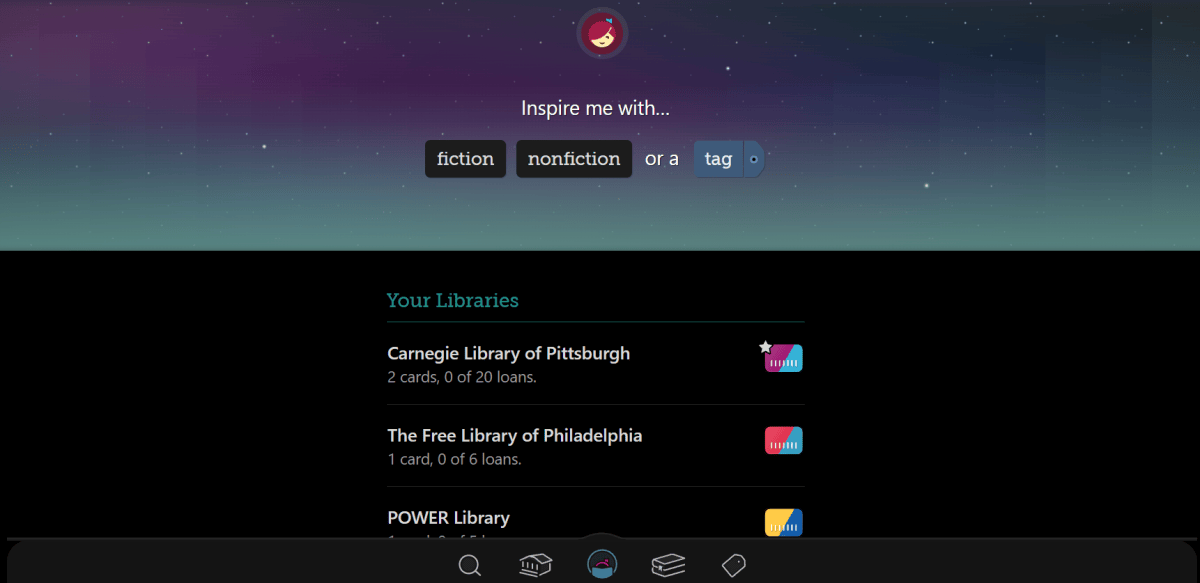
Here we are in Libby’s home screen. Scroll down through the Settings block to find the Content Controls option. Select the AI Contributions box.
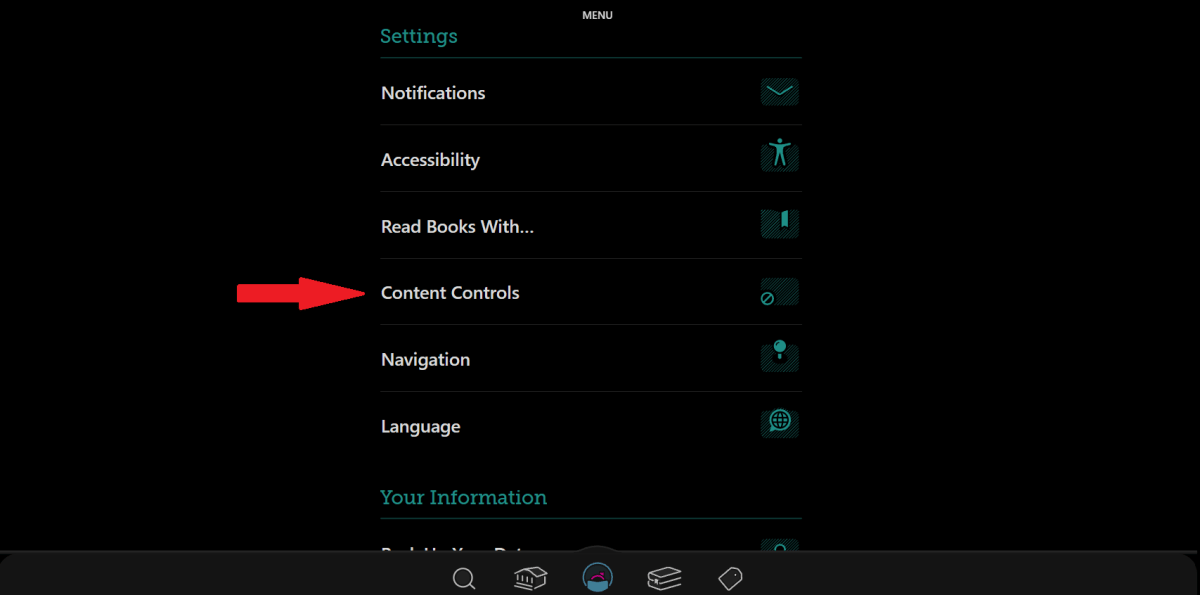
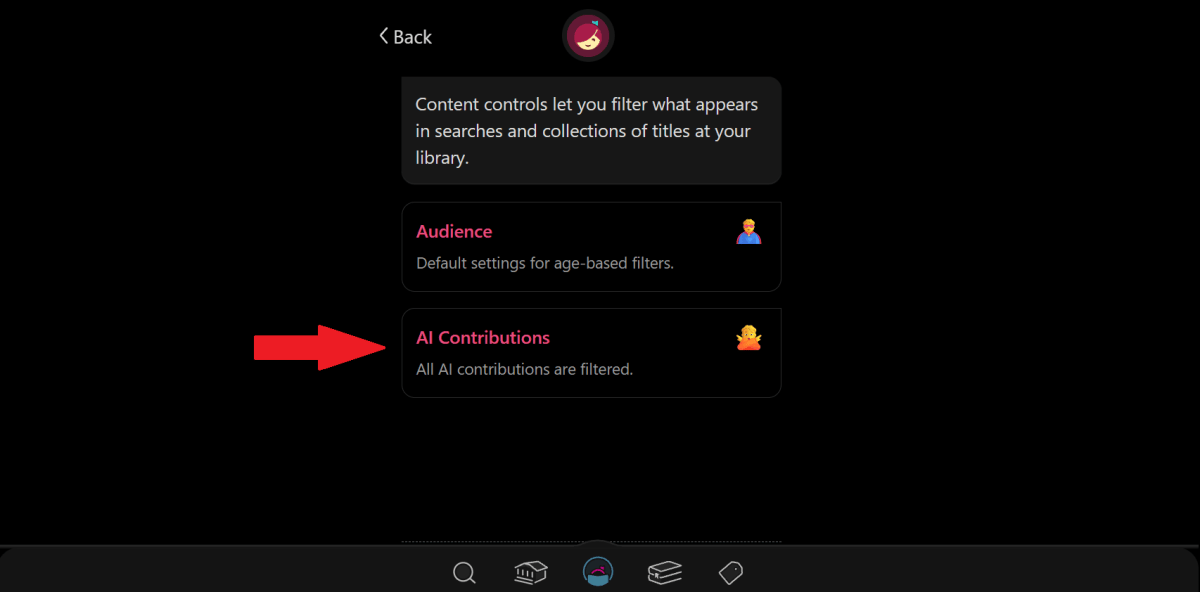
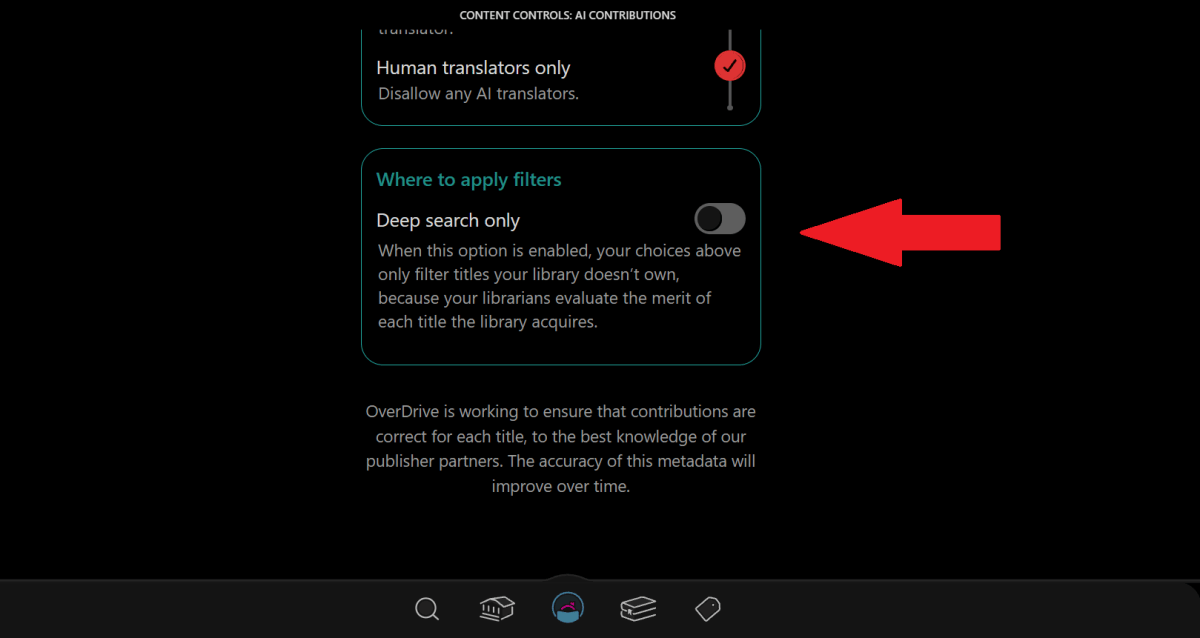
You will see all the options for turning content AI on and off in text, audio, graphics, and translation. At the very bottom is the box to apply filters to Deep Search only. It’s default setting in On, so you have to switch it off to opt out and apply the filters to all items, if you so choose.
Good luck to us all.
-Mary, Carnegie Library of Pittsburgh